
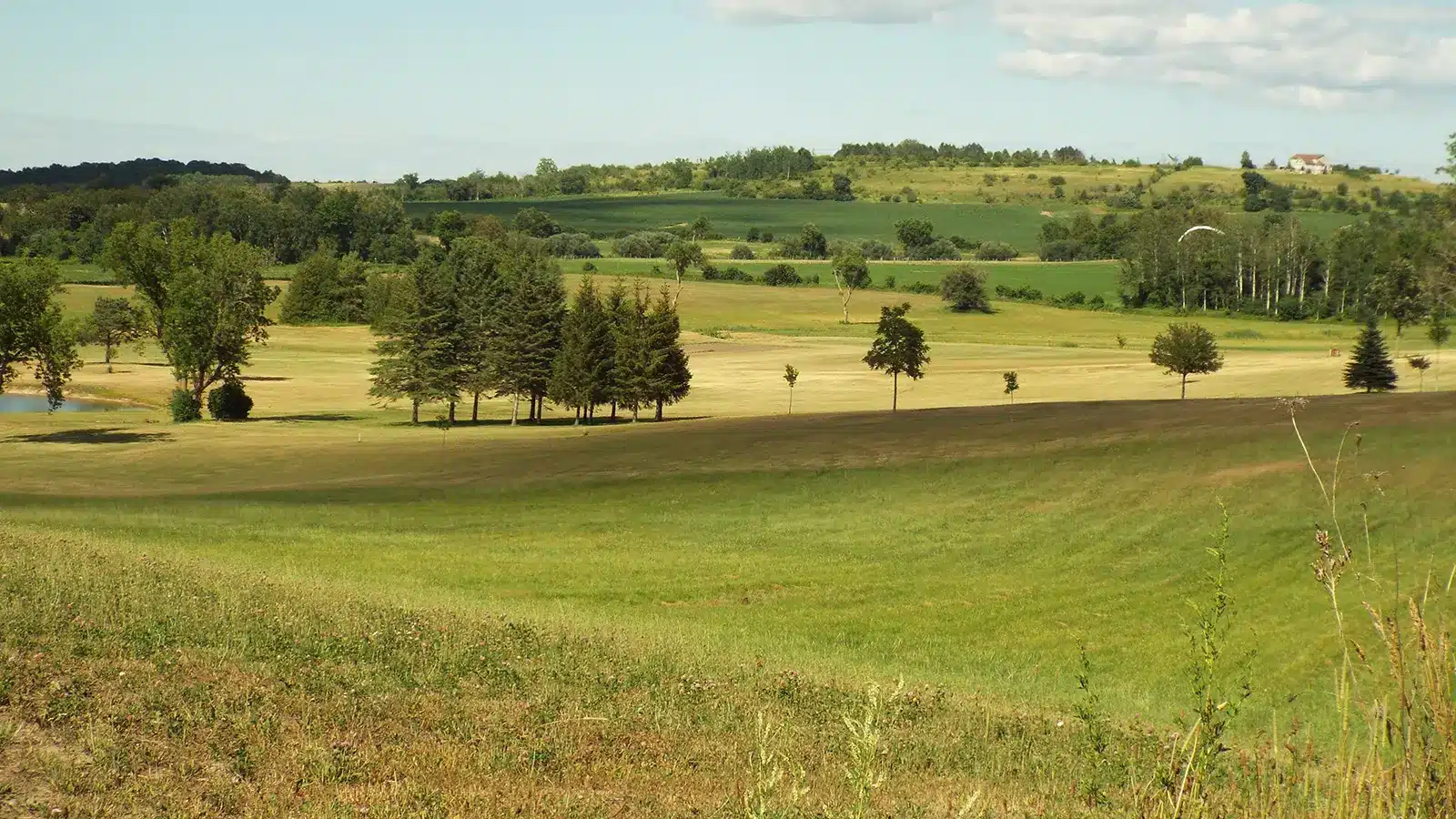

Oak Ridges Moraine Trail
The Oak Ridges Moraine is a 13,000-year-old ridge of forest and hills where more than 80 rivers begin. Over thirty years, volunteers built a 268-kilometre trail across it, and you can walk it end to end.
Only 40% of the Trail still runs on roads, while the remaining off-road sections are being built now. Until October 12, anyone who knows a stretch of the Moraine can help decide where the Trail should connect.

Richmond Hill | Oak Ridges Moraine Trail Community Workshop

Port Hope | Oak Ridges Moraine Trail Community Workshop
Once fully connected, the Oak Ridges Moraine Trail will be one of Canada’s most iconic trails, linking with the Bruce Trail and the Trans Canada Trail. It will:
- Bring nature within reach of people living in one of North America’s fastest-growing regions.
- Invite people to play a part in protecting the ridge that stores and cleans the water for an estimated seven million people and is home to 88 species at risk.
- Strengthen local economies by making the towns along the Moraine places to walk to, and stop in, not just drive past.
- Make visible the histories, cultures, knowledge, and ways of knowing of First Nations and other Indigenous Peoples, long silenced by colonization.
Rooted in Reconciliation
The Oak Ridges Moraine Trail runs across the treaty lands of the Mississaugas of the Credit First Nation and the Williams Treaties First Nations, and the traditional territories of the Anishinaabe, Haudenosaunee and Huron-Wendat. It is now home to many other Indigenous Peoples.
The Trail Strategy will be implemented in collaboration with First Nations Rights Holders and other Indigenous Peoples, based on reciprocity, a shared understanding of the value of these spaces, and a Two-Eyed Seeing approach.
From Strategy to Action
Building on 30 years of Trail development, the Oak Ridges Moraine Trail Strategy identifies the steps to create a permanently protected Trail corridor that connects people to the water, lands, history and communities of the Oak Ridges Moraine.
Its seven objectives set out what has to happen to make this once-in-a-generation opportunity real:
Foster Collaboration: Determine how all of the partners along the Moraine, including the First Nations whose treaties and territories the Trail crosses, can best work together.
Advance Truth and Reconciliation: Work with First Nations Rights Holders and other Indigenous Peoples along the Trail to create opportunities for Truth and Reconciliation.
Build Connections: Ensure the Trail offers a consistent, accessible experience that safely connects all users, including First Nations Rights Holders, to the Moraine’s natural and cultural assets.
Secure Partner Agreements: Maintain access to the Trail through partnerships with the Province of Ontario, municipalities, First Nations, conservation authorities, landowners and Trail organizations.
Strengthen Tourism: Foster sustainable tourism and economic development in the communities along the Trail. Expand awareness of the Trail and its history through better wayfinding, branding and partnerships.
Connect to the Land: Protect the Moraine’s natural heritage by building personal connections to the land, guided by a Two-Eyed Seeing and Ethical Space approach.
Broaden the Network: Build connections with other trail networks across the length of the Moraine.
Laying the Groundwork for a Connected Trail
In this first phase of the strategy, our priority is to build relationships and listen closely to the organizations, communities, and First Nations who know the Moraine best. Their voices and perspectives will shape the Trail’s route and future.
Strengthening Trail Governance
Two groups have been established to guide the Trail’s development: the Strategy Working Group and the Williams Treaties Champions Group (WTCG). Together they are assessing how the Trail is governed today and will recommend a co-governance model with First Nations.
Engaging With Communities
For the first time in more than 20 years, we are engaging communities across the Moraine to hear what they value about the Trail and what they envision for its future. Through Community Workshops in Uxbridge (September 17), Richmond Hill (September 19) and Port Hope (September 22), an online survey, and conversations led by the WTCG with First Nations communities, we are gathering input that will shape the Trail’s route and experience.
Working With Partners
A fully connected Trail requires collaboration among the Oak Ridges Trail Association, the many municipalities, conservation authorities, land trusts, First Nations, and private landowners along its route. We’re meeting with municipalities and conservation authorities across the Moraine, and building relationships with municipal champions who can advance the Trail in their own communities.
Events & Reports
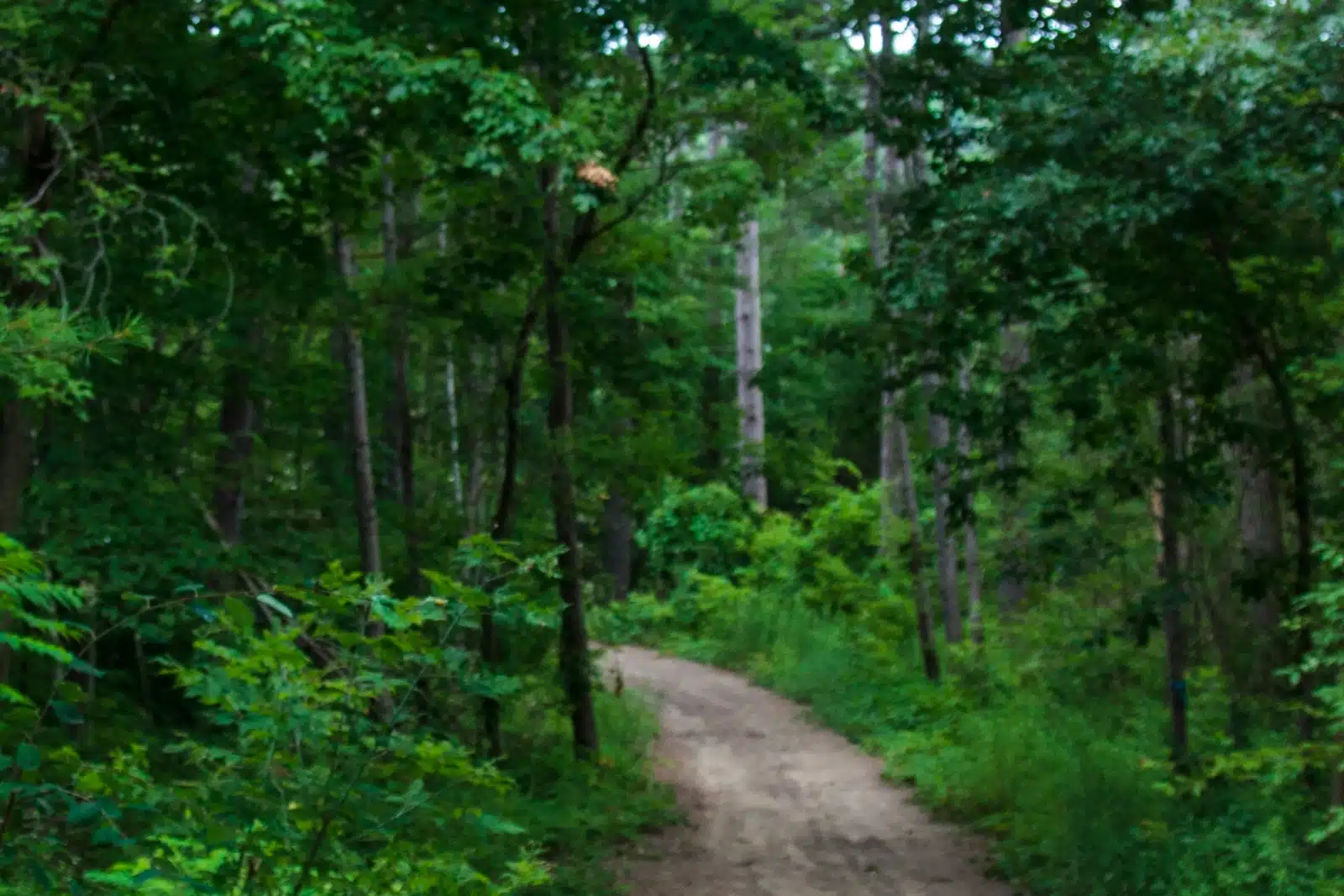
Take Part: Community Workshops
Join a Community Workshop in Uxbridge (September 17), Richmond Hill (September 19) or Port Hope (September 22).
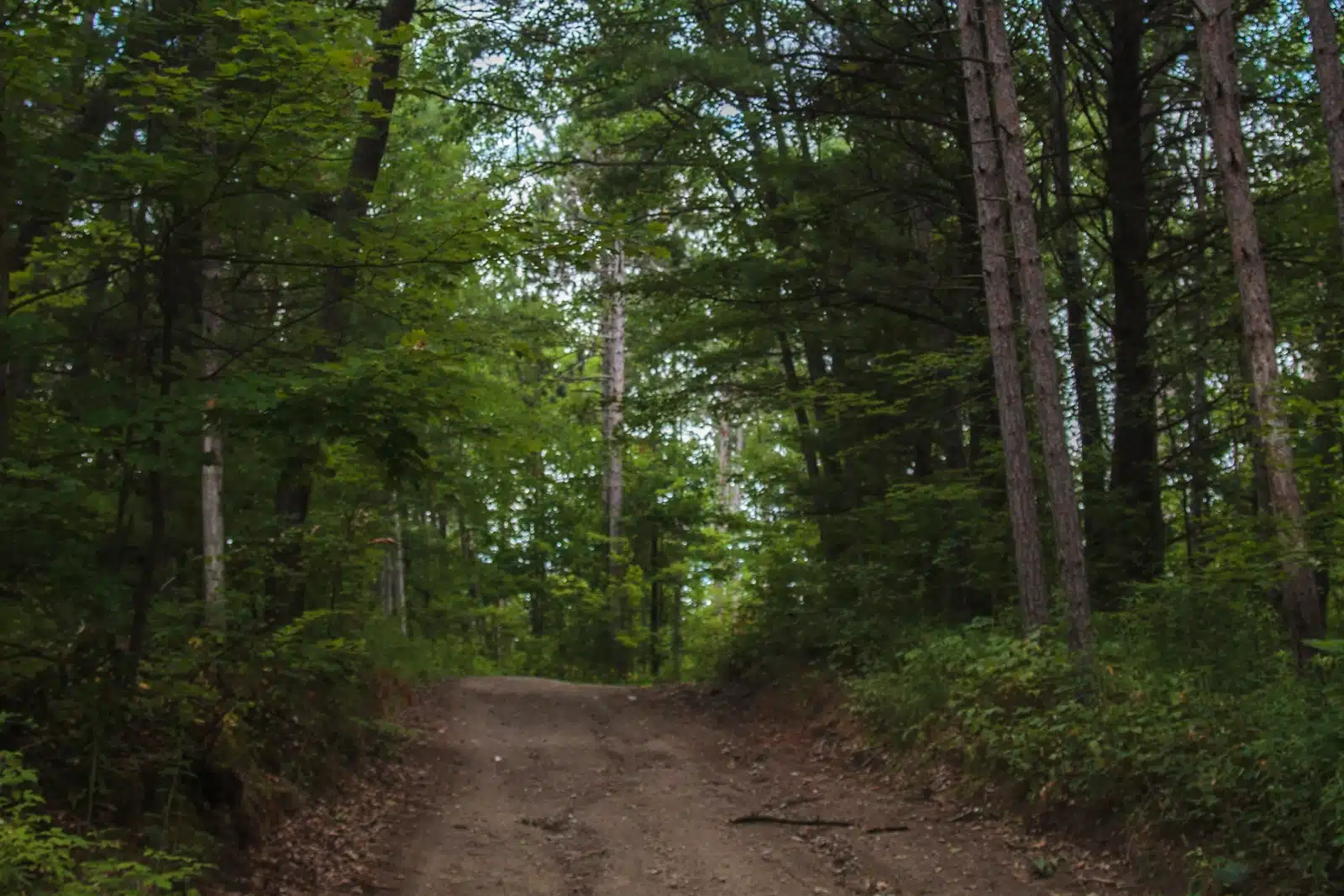
Take Part: Survey
Until October 12, mark the stretch of the Trail you know on the survey map. Every pin and comment informs the preferred-route report.
Oak Ridges Moraine Trail Strategy
The strategy and its seven objectives for a permanently protected, connected Trail.
One Moraine. One Trail.